Motivation
Today I moderated the Twitter chat held under the #iksohbeti hashtag. The topic was motivation, and it was a good, productive conversation.
At its most basic, motivation is your eagerness, your excitement to do the job in question. If you feel a thrill when you go to work or school in the morning or start a project, if you do it willingly, then you are motivated. So what happens if we are not motivated, how do we achieve it, what is Human Resources’ role in this, and what should be done? These are the questions we tried to answer.
As you know, we divide motivation into two: intrinsic motivation and extrinsic motivation.
Sources of Intrinsic Motivation
Extrinsic Motivation
Factors That Support Extrinsic Motivation:
When the talk turned to motivation, the basic elements were the first examples given:
It was mentioned that Novartis has a practice of this kind.
Of course, a certain salary and holiday allowance are important basic factors. But these days they are never enough. They are the minimum requirements that have to be met in any case. It would be pointless to expect employees to be motivated simply because what ought to be done is being done.
At the root of what motivation requires lies a sense of belonging. What is needed are activities and systems through which employees feel they belong, see themselves as members of one big family, and acquire team spirit.
At the same time, they need to be employees who are happy in their work. And here an important duty falls to Human Resources and to the managers who do the hiring: placing the right person in the right job.
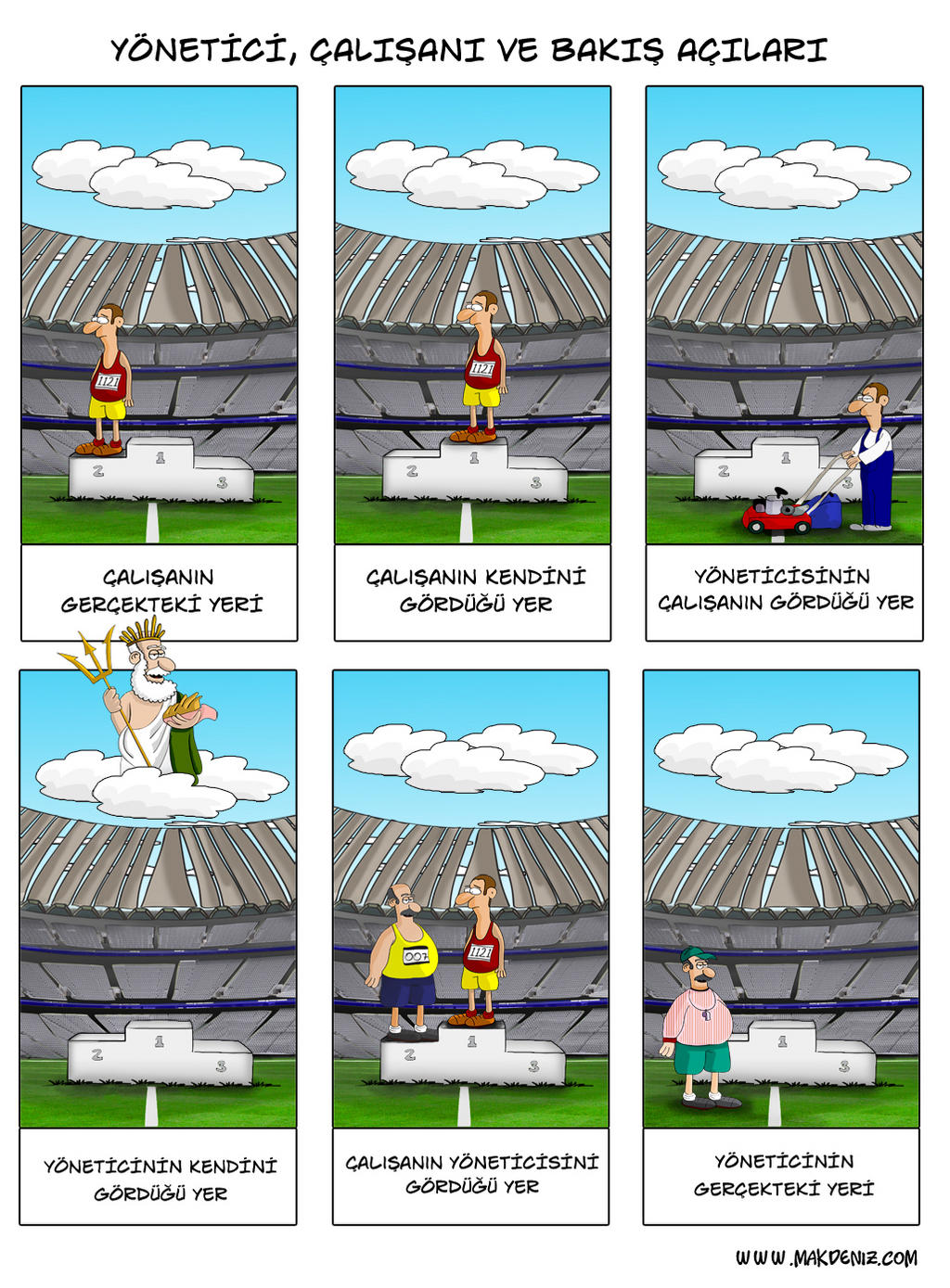
“Listening” is the most basic element in the beginnings of belonging. It is the sine qua non of the relationship between superior and subordinate. Before anything else, you have to listen to the employee.
After listening, it is important to give employees a goal and to align it with the company’s vision. Employees should see the workplace not as somewhere they come and go each day for a salary and holidays, but as a place where they will advance their development and their career. They should realise that, as a member of the company and of their team, they are travelling in the same boat, and should decide to be together on that journey.
For this, companies need to show that they value their employees. Beyond general celebrations and rewards, personalised initiatives are now expected.
For instance, the Mutluluk Çekilişi (Happiness Draw) run at Nef is a lovely initiative: “” For example, for our office support colleague who runs around for everyone and does the company’s kitchen shopping, we go out and do the shopping ourselves. We put together a hamper of the things his family and children love most and leave it in his favourite spot at home. Or we find out from the friends of an employee in another role what their passion is and send them to an NBA game. We invite them to be in the audience at Cirque du Soleil, or arrange for them to have dinner in wonderful surroundings with a loved one at a luxury hotel on the Bosphorus. There is a serious research process behind it.
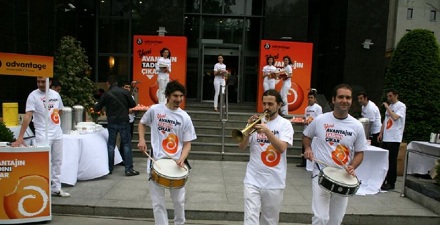
During the launch of the new Advantage card, we set up two separate orchestras, or more precisely Welcome to Work Bands, in front of HSBC’s Head Office and Call Centre, and welcomed employees by walking them along a red carpet while playing the “Avantajın Varsa Avantajın Var” jingle. We also gave them breakfast items, energising orange juice and biscuits in the shape of the new Advantage card. It was a pleasure to read in their eyes what a nice surprise it was, and to see them from time to time joining in with the music by dancing.
(Detailed information, photos and videos)
Of course, what can be done depends on companies’ budgets. However good the intentions with which human resources set out, they come up against financial statements and budget constraints. Even so, when budgets are being planned, “people”, a company’s most important asset, must not be overlooked.
Internal balance is another important element of motivation. The balance in the relationship between superiors and subordinates needs to be well struck. In workplaces where the boundaries are very sharp and an almost military discipline prevails, motivation falls. Teamwork activities can be very useful in adjusting balances of this kind.
It is true that small surprise gifts bring a moment of happiness. But for them to be of benefit in the long term, they need to be repeated from time to time, with fresh twists, without becoming routine. They should also be backed by long-term initiatives such as social clubs and career plans.
Activities that enable employees to imagine their own goals and the company’s goals foster team spirit, belonging and motivation.
Motivation is not a simple matter tied to salary and working hours. It is a complex asset to be built through short- and long-term systems that instil in employees the values of belonging and team spirit, and through both general and personalised practices. Companies that appreciate its worth will, in the long run, be the most profitable ones, because they will have invested in their most valuable resource.